

Tapped
New season coming in 2026
Water defines life in the Southwest. Tapped explores where it's from, how it's used, and what happens when it disappears.
AZPM’s groundbreaking original podcast will return for its fourth season in 2026. More than 300,000 listeners have tuned in to uncover critical water stories affecting the future of the west. Featured on All Things Considered Weekend Edition, The Indicator, and NPR’s New and Notable, Tapped delivers reporting so impactful, it’s shaping statewide conversations.
Ways To Subscribe


Recent Episodes
-
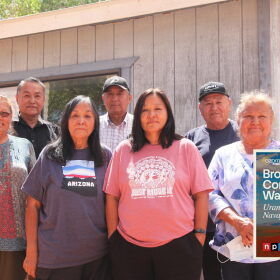 An investigation reveals the deadly health toll of uranium mining on Navajo land, where contaminated water and broken promises have left generations fighting for survival.
-
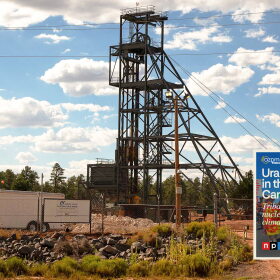 The costs of uranium mining and nuclear energy on Arizona's tribal nations are often hidden from the broader public. These communities are facing serious threats as their land and water resources become potential casualties in the pursuit of energy. We dive deep into the environmental, cultural, and historical impacts tied to the region's most precious resource—water. Through expert interviews and firsthand accounts, we uncover how this issue challenges the survival of ecosystems, sacred sites, and the health of Indigenous communities, raising urgent questions about the future of water in the Southwest.
-
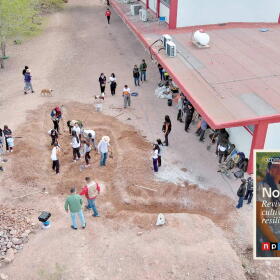 Scarcity, pollution, flooding, and unchecked urbanization have created water issues in Nogales, Sonora. The city and researchers on both sides of the border are working on innovative ways to remedy.
-
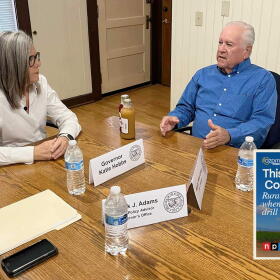 From Governor Katie Hobbs to Attorney General Kris Mayes, Arizona officials grapple with saving rural water supplies.
-
 Arizona has no regulations on pumping groundwater in rural areas. The state's governor is trying to modernize its water laws, and the fight over rural groundwater is in the middle of it. So how did the re-introduction of a water policy council that aimed to solve the problem lead to a pair of bills and division amongst its original members?
-
 Saudi involvement in western Arizona's rural La Paz County is already well known. But they are not the only non-local interest in the area making use of water. Hedge funds, foreign countries, and green energy interests want to turn rural groundwater into dollars, and they have a lot of ideas how to do it.
-
 The history of Arizona's relationship with Saudi Arabia and the Arabian peninsula starts with a pre-Civil-War military program involving camels run by Jefferson Davis. It went on to involve the state's first college professor, an attempt to launch a new cash crop that became a common tree in the state, and much more. All of that lead to the most recent chapter, when monarchs began seeing Arizona as a place to grow thirsty crops like alfalfa as they exploited weak water laws in the state's rural places.
-
 US-Mexico collaboration has improved the once polluted and depleted Santa Cruz River. Challenges like flooding and wastewater management persist, requiring new infrastructure and funding. Despite progress, managing water across borders remains ongoing.
-
 In the 1960s, Arizona was facing a crisis. Its aquifers were depleting and its ground was sinking. That issue prompted a major infrastructure project that would forever change what was possible in the state, a 336 mile system of canals that take a big part of the state's Colorado River water allocation and diverts it to Phoenix and Tucson, as well as farmland in Central Arizona. This week, we look at how the Central Arizona Project came to be, and what it means to the state.
-
An Arizona mother's loss turned into a national movement to make drinking water safe. Forever chemicals, including PFAS, are tied to cancer and other health problems. Now the race is on to clean up Tucson's water and protect public health.
-
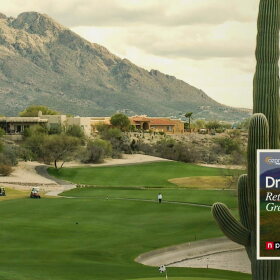 Arizona has long been a hotspot for golfers looking to keep up their game as weather elsewhere turns cold. But, for just as long, the state has been working to limit water use by golf courses. How much of a part does golf play in Arizona's water issues?
-
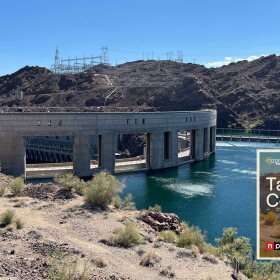 The Colorado River is the most dammed waterway in the US, but what was it like before? We go back to the battle over Parker Canyon Dam and how it changed Arizona's rights to the river's water forever.


