The University of Arizona hosts its annual College of Science free lecture series starting next week.
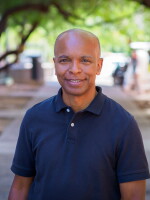
AZPM's Tony Perkins spoke with College of Science Dean Carmie Garzione about this year's theme and how researchers are coping with last year's cutback in federal funding.
Carmie Garzione: Our lecture series is called "Today's Science, Tomorrow's World: Building a Better Future," to help people understand how science provides fundamental answers to important questions and leads to the development of new technologies and strategies that enable us to adapt to the changing world we live in.
Tony Perkins: Artificial intelligence is often in the news these days. What will the audience learn about AI and the University of Arizona?
CG: One lecture will focus on the level of human understanding of our Earth in the age of AI, and what we would really like to convey is the way that AI helps us harness all the information we have about our planet as well as how AI supports humans in deciding how to understand that information.
TP: In 2025, researchers found federal money was cut back by the Trump administration: not as much money for grants, for research. How are scientists adjusting to this reality in 2026?
CG: First, I want to emphasize it's not as simple and it is somewhat painful to make adjustments when the standard approach or funding agencies that you go to changes rather quickly as they have. All that said, scientists are problem solvers, we tend to thrive on rejection and failure and we tend to be resilient.
TP: Has there been any sense of disruption or slowdown as far as the pace of research goes?
CG: There has been some impact on the pace of responses on submitted proposals and so that's introducing a bit of delay and notification of funding and delivery of the funding to get the next set of projects started. However, we are deploying temporary resources to continue that work, and we are applying across a new set of opportunities to ensure we are well positioned for funding.
TP: Getting back to the lecture series, a lot of people are return visitors, they've gone every year and they leave with a sense of excitement and wonder about the future. How would you expect people to leave this year's lecture series?
CG: I think all of our lectures hold some nuggets of deep, deep curiosity that we all wonder about, and so I can guarantee that people will leave with some of their deepest curiosities met, but we are really hoping to make the connection with how what we study enters your life; how you will be able to see the outcomes of this research on aging science enter your life over the next few years, and contribute to longer and healthier lives in general.
The free lecture series begins Feb. 4 and runs through Feb. 25 at the UA's Centennial Hall.